Context
Digital Public Goods
If governments support physical public goods, why are digital public goods so hard to sustain?
Civichat made a practical question unavoidable: who supports highly public software as a business, and how does it endure? After moving lessons that could not continue commercially to OpenFisca Japan, this work has examined institutions, allocation mechanisms, and communities for sustaining digital public goods.
An interest in governmentality is a way to see how institutions shape choices and conduct. Ethereum and crypto are treated less as speculative assets than as institutional spaces where rules, funding, and participation can be tested in software.
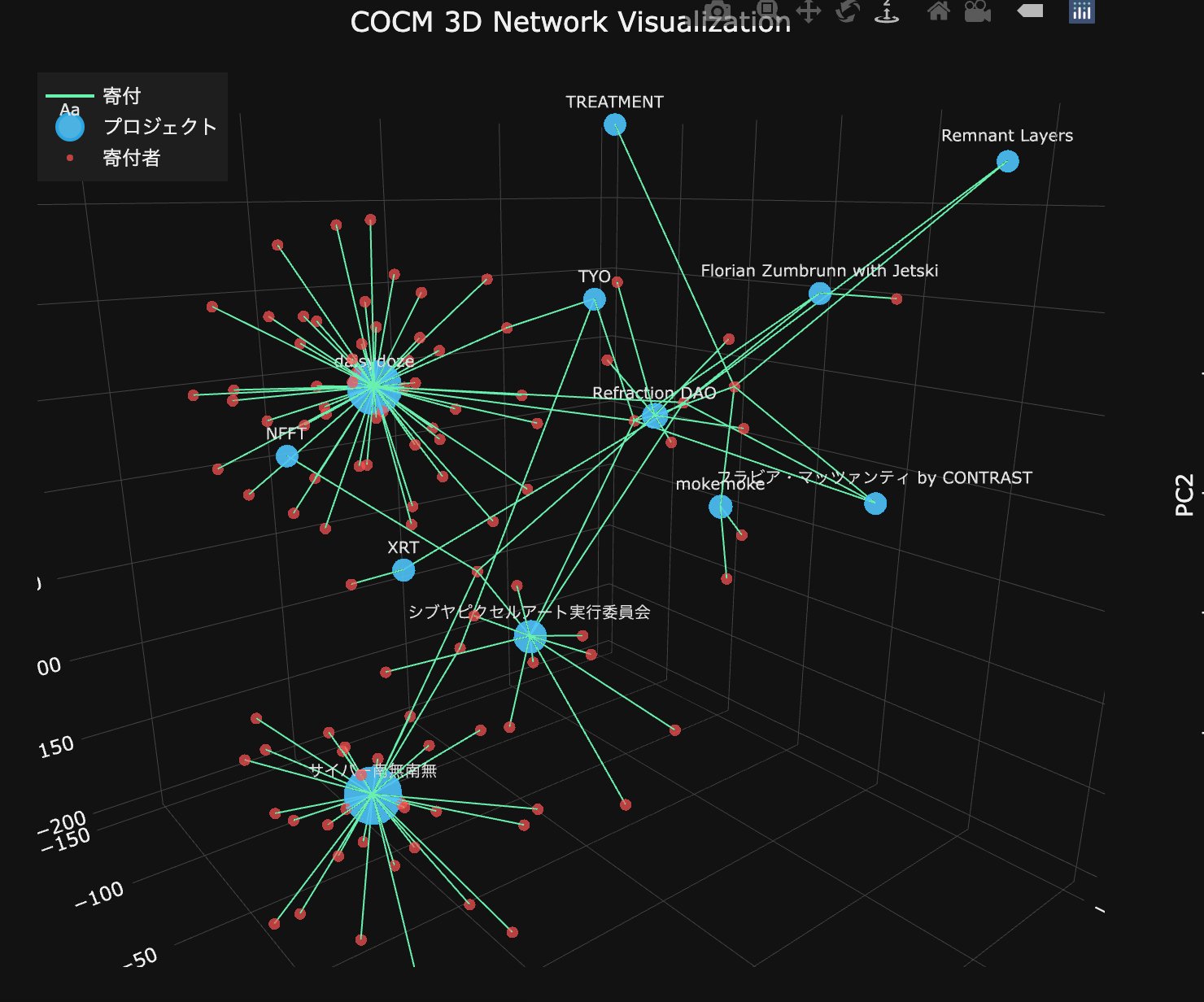
Through Quadratic Funding, DeCartography, DIG SHIBUYA, and Funding the Commons, the work has addressed not only algorithms for allocating resources to public activity, but also their operations, communities, and accountability. Digital public goods remain a context for thinking about reusable public infrastructure at Plural Reality.
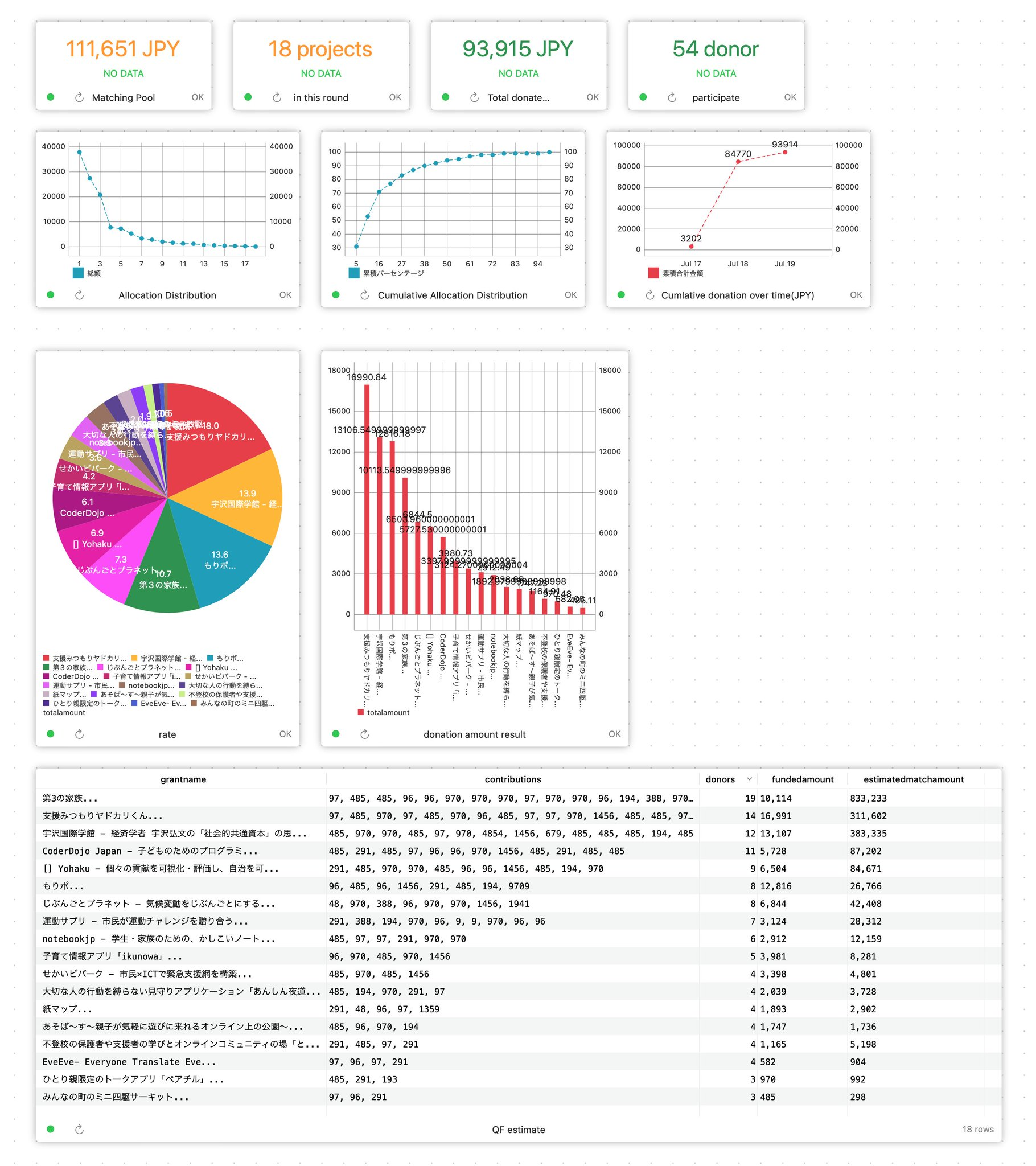
DigDAO in 2024 supported 18 public-interest projects, and DIG SHIBUYA in 2025 tested fiat-currency Quadratic Funding with 12 artist groups. Rather than importing a formula alone, the work assembled donations, identity checks, matching, and explanation of results as an operating institution.